
Measure your AI value. Then multiply it with Triple S.
Your employees already use AI. But is it improving cost, capacity, cash, service or growth? Compare the evidence, identify the next performance delta and quantify what process improvement could deliver.
From AI Adoption to Outcomes
Using AI is not the same as creating business value.
Emails take less time to write. Reports are easier to summarize. Proposals reach the first draft sooner. The management question is whether these gains change the performance of the business as a whole.
Can your team handle more orders? Do customers receive answers sooner? Has the cost per completed transaction fallen? Is overdue cash being collected more effectively? SYMBIOS connects these questions to Simplify. Speedify. Smartify.
For example, an AI-drafted supplier email may save writing time. Connecting responses with delivery schedules and affected orders may also support earlier intervention. Each proposed benefit needs a measure, an owner and evidence.
Make the Performance Delta Visible
Three stages. One measurable story.
Compare performance before AI, with existing AI use, and after applying Triple S. The current AI-enabled process is the baseline for any additional Triple S gain.
Before AI
12 min Handling time per orderCurrent AI use
10 min Handling time per orderAI with Triple S
6 min Handling time per order| Measure | Before AI | Current AI | AI + Triple S |
|---|---|---|---|
| Handling time / order | 12 min | 10 min | 6 min |
| Hours / 3,000 orders | 600 h | 500 h | 300 h |
| Hours released vs. original | Baseline | 100 h | 300 h |
| Reduction vs. previous stage | — | 16.7% | 40% |
Initial AI use releases 100 hours per month. Triple S releases another 200 hours compared with current AI use. Total handling time falls by 50% against the original process. The successive percentage changes have different baselines and should not be added together.
Illustrative assumptions, not client results or forecasts. All three stages assume comparable orders and include necessary human checks. Handling time and end-to-end turnaround are different: faster handling does not eliminate a downstream approval queue.
Interactive Business Case
Calculate the incremental AI value.
Change the order volume, handling times and loaded hourly cost. The results separate the benefit of current AI from the additional opportunity after Triple S.
Process assumptions
EGP 300/hour is a hypothetical local illustration, not an Egyptian labor market benchmark. Enter your organization's actual cost.
Illustrative Monthly Outputs
Separate existing AI gains from the next opportunity
Assumes equal workload complexity and all required human reviews. Capacity value is not cash savings.
The calculated annual figure assumes twelve comparable months. Financial return requires comparing incremental benefits with implementation, integration, software, training, review and support costs. Never count the same released hours as both labor savings and extra production without a justified allocation.
Turn Measurement into Action
Improve the process with Triple S.
Use the performance evidence to decide which activities to remove, which delays to reduce and which decisions need better information.
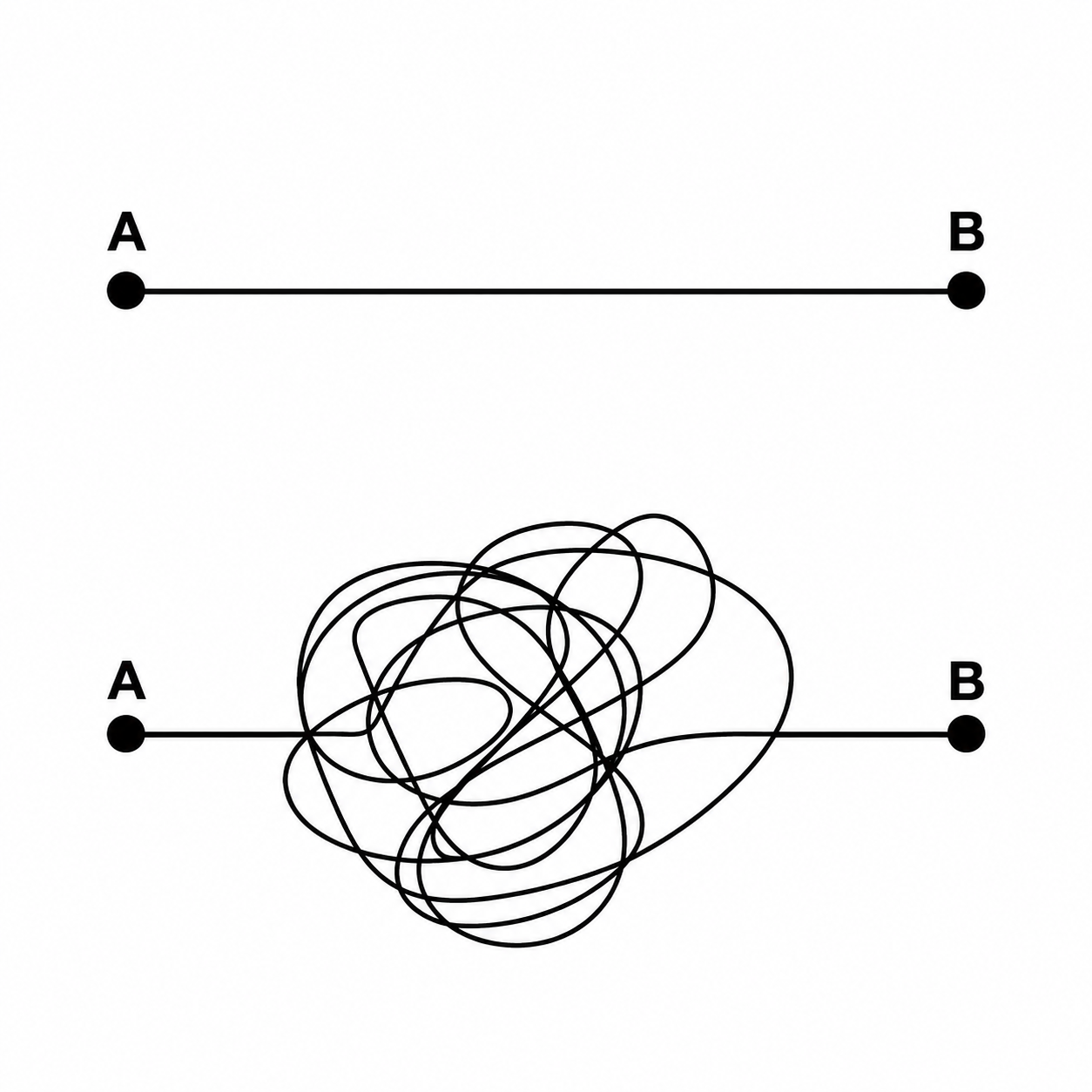
Remove work that adds no value
Eliminate duplicate entry and overlapping checks, clarify ownership and keep essential safeguards. Measure rework, touches per request and handling effort.

Reduce waiting across the journey
Track queues, routing and handoffs. Measure total end-to-end turnaround as well as hands-on handling time, so delays are not simply shifted elsewhere.
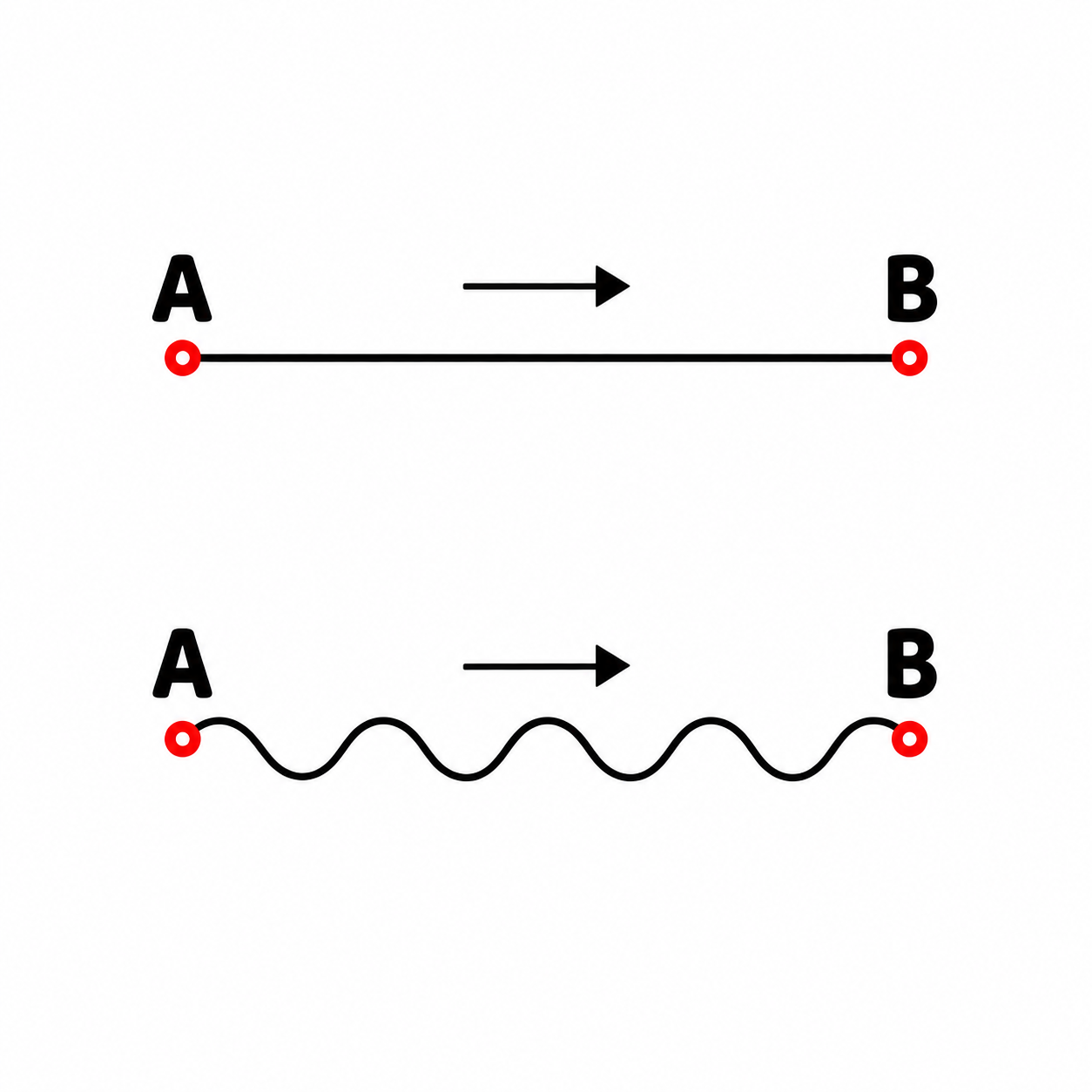
Connect information with action
Link business context, AI recommendations and approved workflows. Measure warning time, exception resolution, decision quality and inappropriate actions.
Evidence that Finance Can Trust
Keep the measurement credible.
An AI project should be assessed on measurable business performance, not just prompts used, drafts created or hours modeled.
Control for changes in workload, order complexity, demand and staffing. Where practical, use phased rollout or a comparison team.
Track cost per completed transaction, first-time-right completion, turnaround, quality and customer experience—not speed alone.
Separate measured efficiency, modeled capacity value, cost savings, revenue opportunities and working capital effects. Review the treatment with finance.
Appoint an accountable process owner, review results regularly with operating teams and finance, and discontinue applications that do not justify their ongoing costs.
Further Reading
Explore guidance on measuring AI impact.
Microsoft Adoption — How to measure the business impact of AI ↗
Microsoft Learn — Monitor, measure and report value ↗
These reference links were supplied in the original article.
SYMBIOS CONSULTING EGYPT
AI × 3S. Multiply the value.
Start with one order process, one collections workflow or one recurring service problem. Measure today's performance, identify the constraints and test the next improvement.
Simplify. Speedify. Smartify.